
Latest News & Insights
#LeadershipTruth Video — You’re Not That Interesting
If you’re spending any time worrying about others, it’s time to let it go. Other people are too busy worrying about what you think of

If you’re spending any time worrying about others, it’s time to let it go. Other people are too busy worrying about what you think of
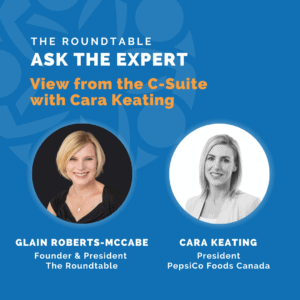
I loved my View from the C-Suite conversation with PepsiCo Foods Canada’s Cara Keating. Coming on the heels of International Women’s Day, Cara and I
To say that we are going through uncertain times would be the understatement of the year. Around the world, every company today is being disrupted.

For many organizations, Covid-19 is causing a shift to a virtual workplace that is creating challenges around communication and community, particularly for leaders who are
Over the past few days, life has unfolded in a way that I think few could’ve predicted when the ball dropped to mark the start
I’ll never forget the moment. I was in an alignment meeting with one of our Roundtable group coaching program participants and his direct manager. We
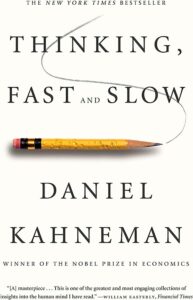
Book: Thinking Fast and Slow By: Daniel Kahneman Reviewed by: Kenzie Bertrand The Premise: As I continue to work towards my annual professional goal of

Community, Capability, Content: 3 Takeaways From The ISA Conference At the end of March, Leah Parkhill-Reilly and I had the opportunity to indulge in our

In our latest leadership report, we dive deeper into cultivating community. Cultivating Community I’m not quite sure when the silos went up, but I do

We often joke that The Roundtable is like Hotel California – participants may graduate from our programs but they never truly leave us! As part